Merbau vs spotted gum for Melbourne decks
Two hardwoods dominate Melbourne decks. One arrives from the tropics already oily; the other is an Australian eucalypt that moves less and weathers to a quieter silver. Here is how they actually behave in Victorian weather.
By Priya Menon, Materials writer · 11 February 2025 · Updated 4 March 2026
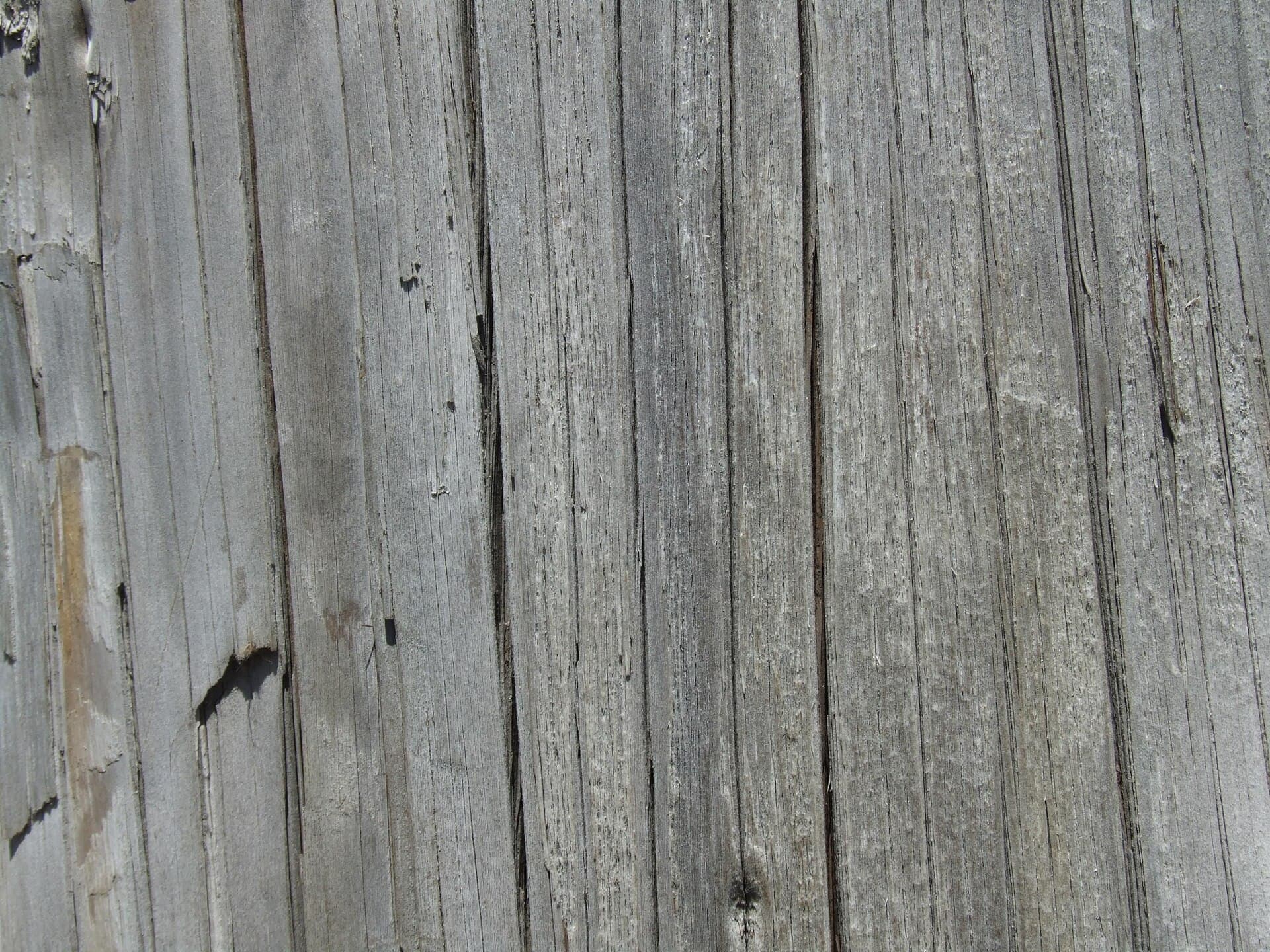
Photograph: Titus Tscharntke. Hardwood.jpg. Public domain. Source on Wikimedia Commons. See all image credits.

A Melbourne deck spends winter in a damp trench and summer on a griddle. The two hardwoods people actually specify — merbau and spotted gum — cope with that in different ways, and the difference is not a lifestyle brochure. It is density, oil, movement, and whether the board you were sold was dried for this climate or for a warehouse in Malaysia.
This is not a morality play about imported timber. Merbau can be a good deck. Spotted gum can be a bad one if it is undersized, poorly fixed, or laid with no fall. The useful question is which species matches the way the deck will be used, shaded and washed.
What merbau is actually doing on a Victorian site
Merbau (Intsia bijuga and related species) is a tropical hardwood with a naturally high oil content. That oil is why a new merbau deck looks like furniture and why the first winter stains your sandstone a rusty tea colour. The tannin run-off is not a defect; it is chemistry. If you have just laid merbau against a rendered wall or a pale paver, expect to wash those surfaces for months, not days.
In Melbourne the oil is a mixed blessing. It helps the board shrug off short rain. It also means many film-forming coatings never quite key, and cheap penetrating oils sit on the surface until the first hot northerly bakes them into a sticky film that holds dust. A merbau deck that is oiled twice a year with a proper penetrating product, then left to dull, generally looks better than one that is “sealed” every spring with a hardware-store varnish.
The structural story is less flattering. Merbau is dense, but a lot of what arrives in Victoria has been shipped as mixed-grade, mixed-origin stock. You will see boards that cup in the first summer because they were not at equilibrium moisture when they were laid. You will see fastener holes that elongate because the board is hard and the screw was driven without a proper pilot. Ask for kiln-dried, decking-grade merbau with a stated thickness — 19 mm is common, 21 mm is kinder to spans — and reject boards with a waxy, almost plastic sheen that suggests they were dressed while still wet.
Spotted gum as a Melbourne default
Spotted gum (Corymbia maculata and close relations) is an Australian eucalypt with a reputation it mostly deserves. It is hard, it is oily enough to weather well, and it is less theatrical than merbau when it rains. The grain is interlocked. That is why a circular saw screams and why a cheap blade burns. It is also why the board is reluctant to split along a neat line when the sun hits one face.
In the inner north — Brunswick, Northcote, Thornbury — spotted gum has become the default for people who want a hardwood deck that does not look like a resort. Left unoiled it goes a pale, slightly uneven silver. Oiled, it holds a honey colour longer than merbau because the tannin flush is milder. The trade-off is workmanship. Spotted gum will punish a sloppy fixer. Hidden-clip systems that were designed around softer imported boards sometimes crack the groove. Traditional top-fixed stainless screws, pre-drilled, still look like the honest method on a Melbourne house that will be around in forty years.
There is also a supply question. “Spotted gum” on an invoice is not a species guarantee. Ask for the botanical name, the grade, and whether the stock is Victorian, New South Wales or Queensland. Boards from different forests move differently. Mixing them on one deck is how you get a zebra of cups after the first January.
Movement, gaps and the Melbourne year
Hardwood decks fail in Melbourne less from rot in the board and more from water that cannot leave. Both species need a gap that still exists in July, when the timber has taken up winter moisture, and in February, when it has shrunk. A 4–6 mm gap is a starting point, not a religion. On a north-facing deck in Newport or Williamstown, where the bay wind dries boards fast, you can run a slightly tighter gap if the installer is consistent. Under a densely planted fig in Hawthorn, leave more room and expect moss.
End grain is the weak point for both. Merbau end grain drinks and then weeps tannin. Spotted gum end grain checks. A simple paraffin or wax sealer on freshly cut ends is not fussiness; it is the difference between a clean perimeter and a deck that looks ten years old in three. Where boards meet a house wall, the gap and the flashing matter more than the species. Read waterproofing a deck over a living space before you argue about colour.
Fasteners, oils and the things people skip
Use 316 stainless in any deck that sees weather. 304 is cheaper and will tea-stain within a year of Port Phillip salt. Hidden fasteners are tidy on composite and on some merbau profiles; they are a judgement call on spotted gum. If you go hidden, buy the clip the board manufacturer actually tested, not a generic “hardwood clip” from a catalogue.
Oil is not optional if you want colour. It is optional if you want silver. What is not optional is cleaning. A merbau deck that is never washed will grow a black film on the south side by August. A spotted gum deck will do the same, just more slowly. A once-a-year wash with a timber-safe cleaner, a soft broom and a rinse is worth more than a boutique oil you apply over dirt. Our longer note on oiling a hardwood deck in Melbourne walks through months, products and the mistake of coating in a 32-degree northerly.
Cost, ethics and what “better” means
In 2026 a supply-only price for decent 19 mm merbau in Melbourne often undercuts spotted gum. That gap closes once you add stainless, labour, and the afternoon you spend washing tannin off the neighbour’s cream render. Spotted gum usually costs more at the yard and less in apologies.
The ethical argument is not simple. Certified merbau exists and uncertified merbau exists; the paperwork is the point. Australian spotted gum is not automatically saintly — harvest and haulage have their own ledger — but the chain is shorter and easier to inspect. If certification matters to you, ask for it on the docket, not in the brochure.
For a tight budget, cypress pine and treated pine are still honest materials. For people who want to stop oiling, composite decking in Victoria has improved, with winter-mould caveats. Hardwood is a choice about feel underfoot and about how the deck will look in year eight, not year one.
Merbau if you want a deep, oily brown and you will manage tannin and oil. Spotted gum if you want a board that behaves like furniture-grade eucalypt and you have a fixer who will pre-drill. Either species, laid with fall, airflow and stainless, will outlast the fashion for grey composite. Neither species will save a deck that was designed as a flat lid over a wet room.
Questions we are asked
- Which lasts longer in Melbourne, merbau or spotted gum?
- Both can last decades if the substructure stays dry and the boards are oiled or allowed to weather evenly. Spotted gum usually moves less and holds a fastener better. Merbau fails faster when cups of water sit in end grain or when cheap boards were never kiln-dried properly.
- Do I have to oil a hardwood deck?
- No. Many Melbourne decks are left to silver. You do have to clean them, keep leaves out of gaps, and accept that an unoiled merbau deck will blotch if one side sits under a pergola and the other cooks in western sun.
Canonical URL: https://deckingmelbourne.com.au/articles/merbau-vs-spotted-gum